+86-571-22917799



 Ingles
 简体中文
简体中文 русский
 Español
What Is 300D Oxford Fabric and Is It the Right Choice for Your Project?
If you have ever bought a backpack, a duffel bag, a tote, or a piece of outdoor gear and noticed the label reading "300D Oxford" or "300 denier," you have encountered one of the most widely used technical fabrics in everyday products. Despite its prevalence, most buyers have little sense of what the specification actually means, how it compares to heavier or lighter alternatives, or what role the coating plays in real-world performance. This guide breaks down every relevant aspect of 300D Oxford fabric — from its construction and physical properties to its coatings, common applications, and what to look for when buying.
What Does "300D Oxford" Actually Mean?
The term "300D Oxford" contains two pieces of information. The "300D" refers to the denier count of the yarn used to weave the fabric. Denier is a unit of measurement for the linear mass density of fibres — specifically, it measures the weight in grams of 9,000 metres of a single yarn. A 300 denier yarn, therefore, means that 9,000 metres of the thread weighs 300 grams. Higher denier numbers indicate thicker, heavier, and generally more durable yarns. A 300D fabric sits in the mid-range of the Oxford fabric family, offering a balance between weight, durability, and flexibility.
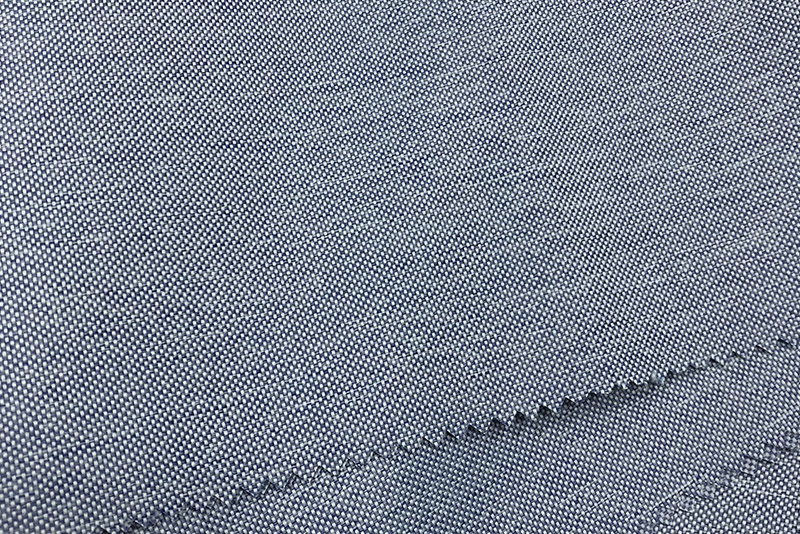
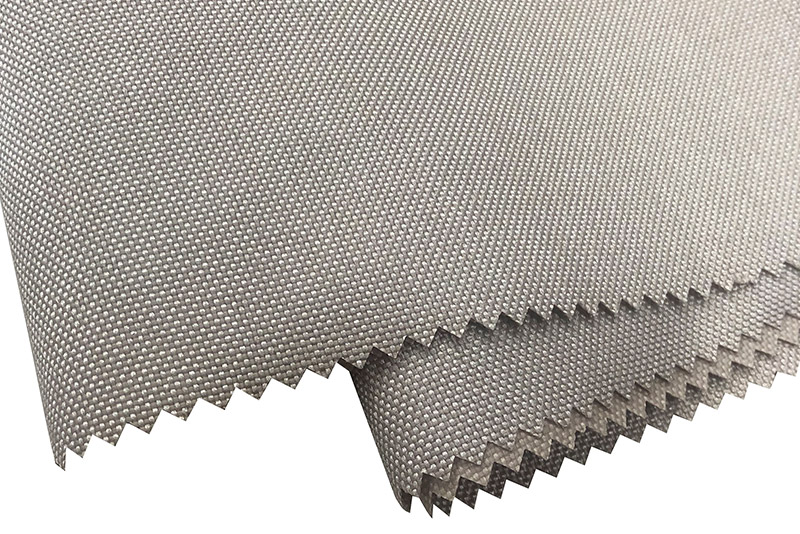
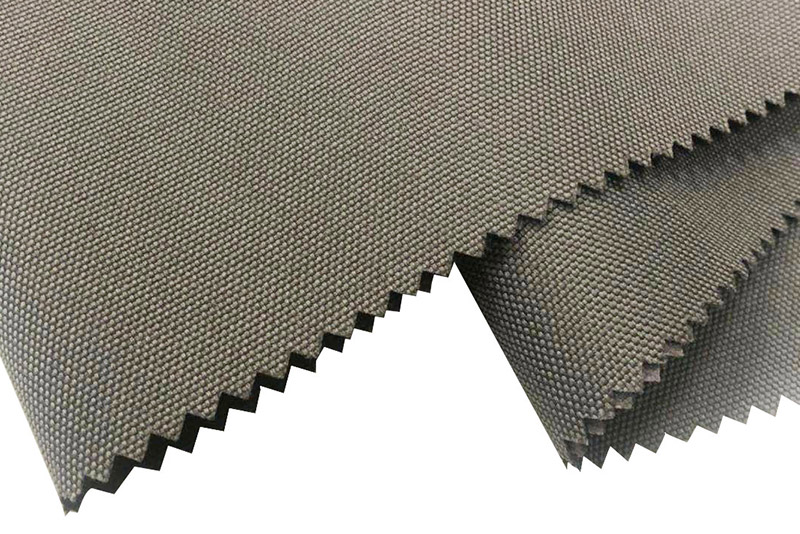
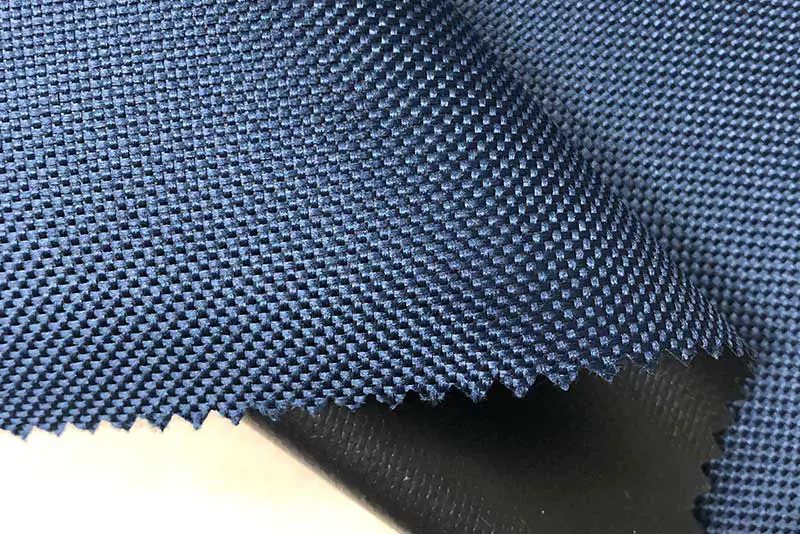
"Oxford" refers to the weave structure. Oxford weave is a type of plain weave where two warp threads interlace with one weft thread in a basketweave-like pattern. This creates a fabric with a subtle, two-tone texture and a slightly more open structure than a standard plain weave. The Oxford weave contributes to the fabric's flexibility and soft hand feel, while the denier of the yarn controls how robust the resulting textile is. Together, "300D Oxford" describes a medium-weight, basketweave-structured fabric most commonly made from polyester or nylon.
Key Physical Specifications of 300D Oxford Fabric
Understanding the technical specs of 300D Oxford fabric helps set accurate expectations for how it will perform in a finished product. The following table outlines the typical physical properties of standard 300D polyester Oxford fabric, though exact values can vary slightly between manufacturers and coating types.
| Property | Typical Value |
| Denier | 300D |
| Base Fibre | Polyester (most common) or Nylon |
| Fabric Weight | Approx. 150–180 g/m² |
| Weave Type | Oxford (basketweave) |
| Tensile Strength | Moderate (suitable for light-to-medium loads) |
| Tear Resistance | Good for the weight class |
| Standard Width | 148–150 cm |
The weight of approximately 150–180 g/m² places 300D Oxford in a practical middle ground — lighter and more flexible than 600D or 900D Oxford fabrics, but heavier and more structured than 150D or 210D variants. This makes it comfortable to sew and form into three-dimensional shapes such as bags and pouches, while still being thick enough to resist everyday abrasion.
Coatings Applied to 300D Oxford Fabric
In its uncoated state, 300D Oxford fabric is not waterproof. The open structure of the Oxford weave allows water to penetrate between the yarns with little resistance. For the vast majority of practical applications, 300D Oxford is sold with a backing or surface coating that enhances its performance. The coating type has a significant impact on how the fabric handles moisture, how it feels, how it can be sewn, and how long it lasts.
PU (Polyurethane) Coating
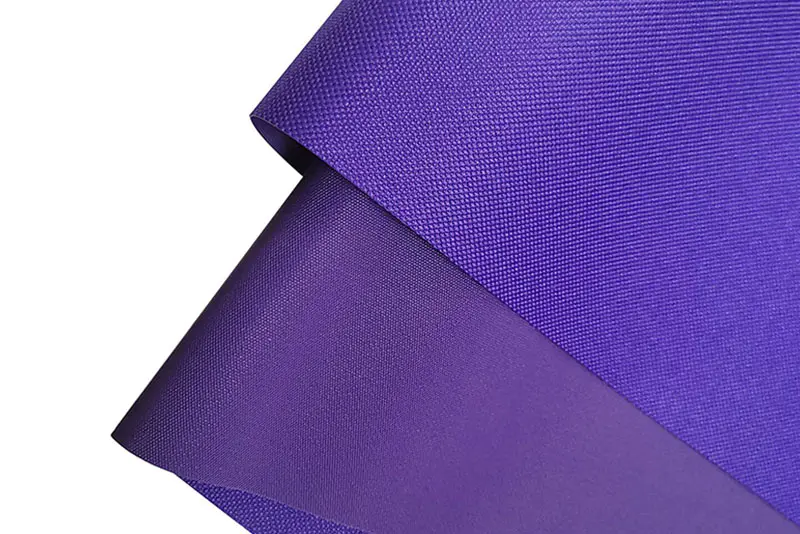
PU coating is the most common treatment applied to 300D Oxford fabric. A layer of polyurethane is laminated to the reverse side of the fabric, creating a water-resistant barrier that prevents liquid from soaking through under normal rainfall or splash conditions. PU-coated 300D Oxford is flexible, relatively lightweight, and retains a soft hand feel on the face of the fabric. It is the standard choice for backpacks, luggage, shopping bags, and utility pouches. The coating does degrade over time with UV exposure and heavy use, but for most consumer goods it provides an adequate service life.
PVC (Polyvinyl Chloride) Coating
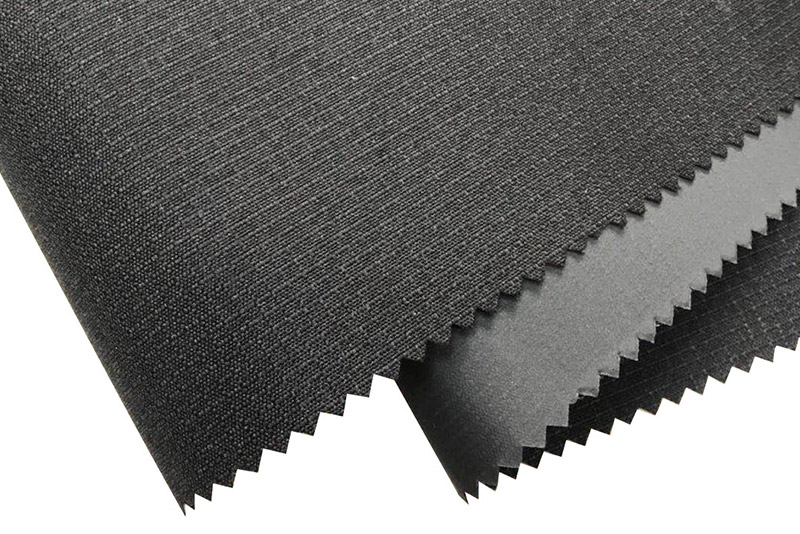
PVC coating produces a stiffer, heavier, and more fully waterproof fabric than PU. Rather than a thin laminate, PVC is applied as a thicker layer that fills the gaps in the Oxford weave more completely. PVC-coated 300D Oxford is used in applications where full waterproofing and high abrasion resistance are priorities — tool bags, marine accessories, tarps, and outdoor storage covers. The trade-off is that PVC-coated fabric is harder to sew through, less pliable in cold temperatures, and heavier per square metre. It also has environmental concerns due to the PVC content, which makes it less desirable in sustainability-conscious product development.
TPE and TPU Coatings
Thermoplastic elastomer (TPE) and thermoplastic polyurethane (TPU) coatings are increasingly used as alternatives to PVC, particularly in products marketed as eco-friendly or designed for cold-weather use. TPU-coated Oxford fabric maintains flexibility at low temperatures, is free of phthalates and harmful plasticisers found in some PVC formulations, and offers good waterproofing comparable to PVC. These coatings tend to come at a higher cost but are preferred in premium outdoor gear and children's products where material safety standards are more stringent.
DWR (Durable Water Repellent) Finish
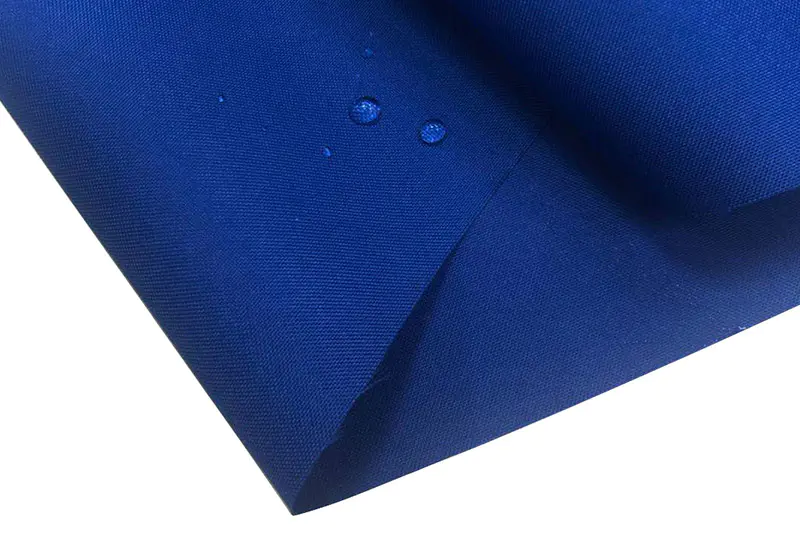
DWR is a surface treatment rather than a backing coating. It causes water to bead up and roll off the face of the fabric rather than being absorbed. 300D Oxford with a DWR finish is more breathable than PVC-coated versions and is often used in casual outerwear, hiking bags, and sports accessories. DWR is not a substitute for a waterproof backing on its own — it reduces surface wetting but does not prevent water from passing through the weave under pressure. Many products combine a PU backing with a DWR surface finish for comprehensive water management.
Common Applications of 300D Oxford Fabric
The combination of manageable weight, reasonable durability, and easy availability at a low cost makes 300D Oxford one of the most widely used fabrics in the bag and accessories industry. Its applications include:
- Backpacks and daypacks: 300D Oxford is the standard fabric for entry-level and mid-range backpacks. It is light enough to keep the bag's base weight low while offering sufficient resistance to daily abrasion from desks, floors, and transport surfaces.
- Duffel and travel bags: Its flexibility and ease of sewing make it practical for larger bag constructions. It holds printed branding well, which is why it appears frequently in promotional and branded merchandise.
- Pencil cases, pouches, and organisers: The fabric's structure holds shape in small-format items without requiring internal stiffening, making it efficient to produce at volume.
- Luggage panels and liners: 300D Oxford is used as an outer shell on soft-sided luggage and as a lining material in harder cases.
- Outdoor and camping accessories: Tent storage bags, stuff sacks, camp chair carriers, and similar items use 300D Oxford where light weight and basic water resistance are needed without the premium cost of technical outdoor fabrics.
300D Oxford vs. Other Oxford Fabric Weights
Choosing the right denier for a project requires understanding how 300D compares to the other weights in the Oxford fabric family. The differences are practical and directly affect end-product performance.
| Denier | Weight | Durability | Typical Use |
| 150D | Very Light | Low | Liners, light pouches, fashion accessories |
| 210D | Light | Moderate | Stuff sacks, ultralight bags, pack covers |
| 300D | Medium | Good | Backpacks, daybags, travel pouches |
| 600D | Heavy | High | Heavy-duty bags, tool rolls, military-style gear |
| 900D | Very Heavy | Very High | Luggage, tactical packs, heavy outdoor equipment |
Practical Buying Tips for 300D Oxford Fabric
Whether you are sourcing 300D Oxford fabric for a manufacturing run, a DIY sewing project, or a product prototype, several factors are worth confirming before placing an order.
- Confirm the base fibre: Polyester 300D is the most common and affordable option. Nylon 300D is lighter, stronger, and more expensive. Make sure the supplier specifies which fibre is being used, as the two perform differently under stress and UV exposure.
- Specify the coating type: Always confirm whether the fabric comes with PU, PVC, TPU, or no coating. An uncoated 300D Oxford will not perform as expected in wet conditions, and the coating type directly affects the sewability and final feel of the product.
- Request a water column rating: Waterproof ratings are measured in millimetres of water column pressure. A PU-coated 300D Oxford typically rates between 1,000 mm and 2,000 mm, which is adequate for light rain but not heavy downpours. Check this figure against the demands of your intended application.
- Check colorfastness and UV resistance: If the product will be used outdoors or in direct sunlight, ask for UV resistance specifications. Standard polyester 300D degrades with prolonged UV exposure, which can cause colour fading and fibre weakening over time.
- Order sample yardage before bulk purchasing: Fabric quality varies between suppliers even at the same denier count. Ordering a sample metre allows you to assess the hand feel, coating consistency, colour accuracy, and print quality before committing to a full order.
- Check compliance certifications: For products sold in the EU or markets with strict chemical regulations, confirm whether the fabric carries REACH, OEKO-TEX, or equivalent certifications, particularly if it contains PVC coating.
300D Oxford fabric is one of the more straightforward materials to source globally, with suppliers available across China, South Korea, Taiwan, and increasingly Southeast Asia. Price per metre varies depending on the coating, colour complexity, minimum order quantity, and fibre type, but it remains one of the most cost-effective technical fabrics available for bag and accessory production. Getting the specifications right upfront — denier, weave, fibre, and coating — ensures the material performs as expected and avoids costly substitutions mid-production.

 Tel: +86-571-22917799
 Fax: +86-571-82799678
 E-mail:
  Idagdag: No.88 Yinxin Rd., Yaqian Town, Hangzhou City, Zhejiang, China.